

Blue Light Glasses
Your bulbs stay in one room, but your screens come with you to the couch and to bed. Blue light glasses block the wavelengths that delay sleep right at your eyes, so evening screen time stops keeping your brain awake.
5 products

Why glasses, not just bulbs
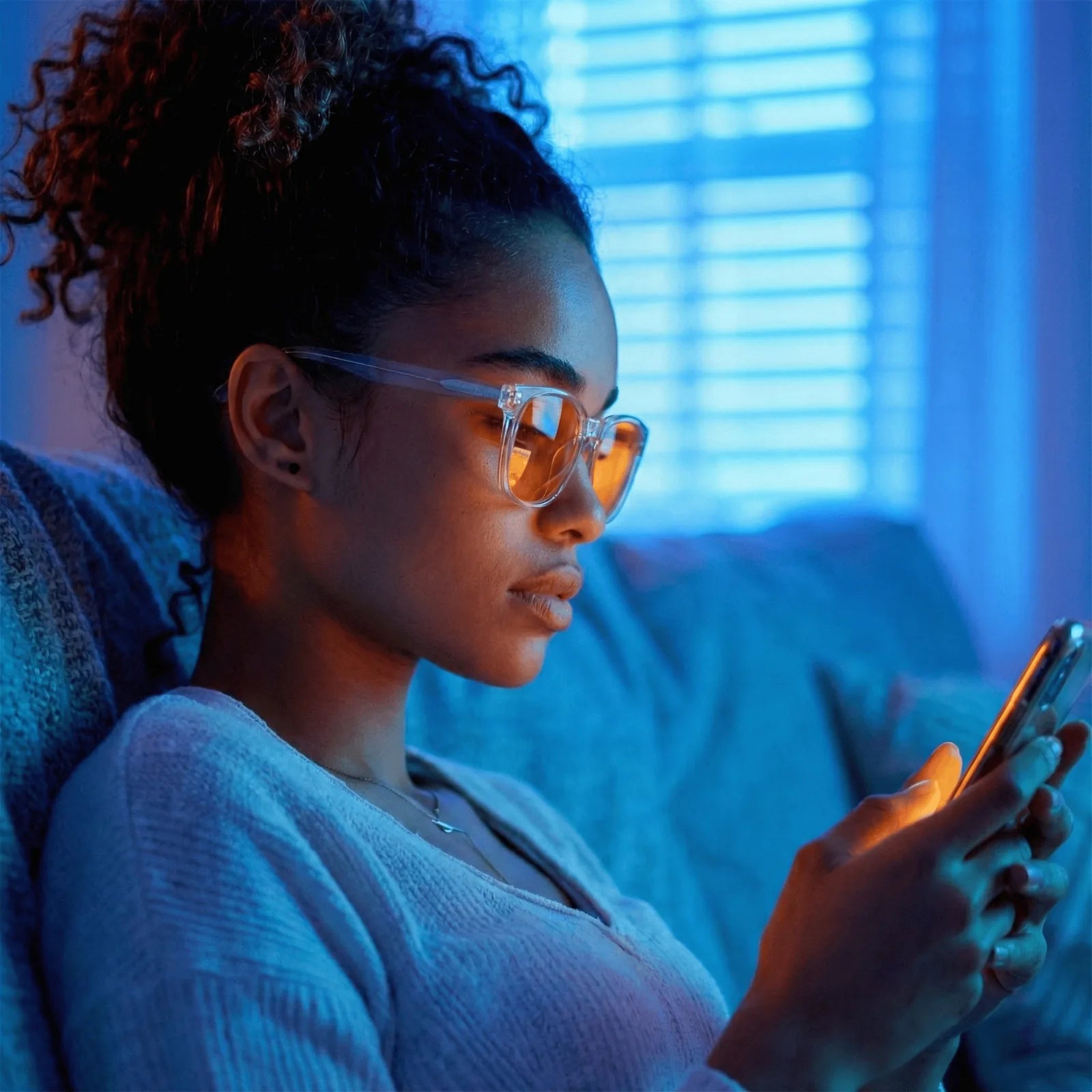
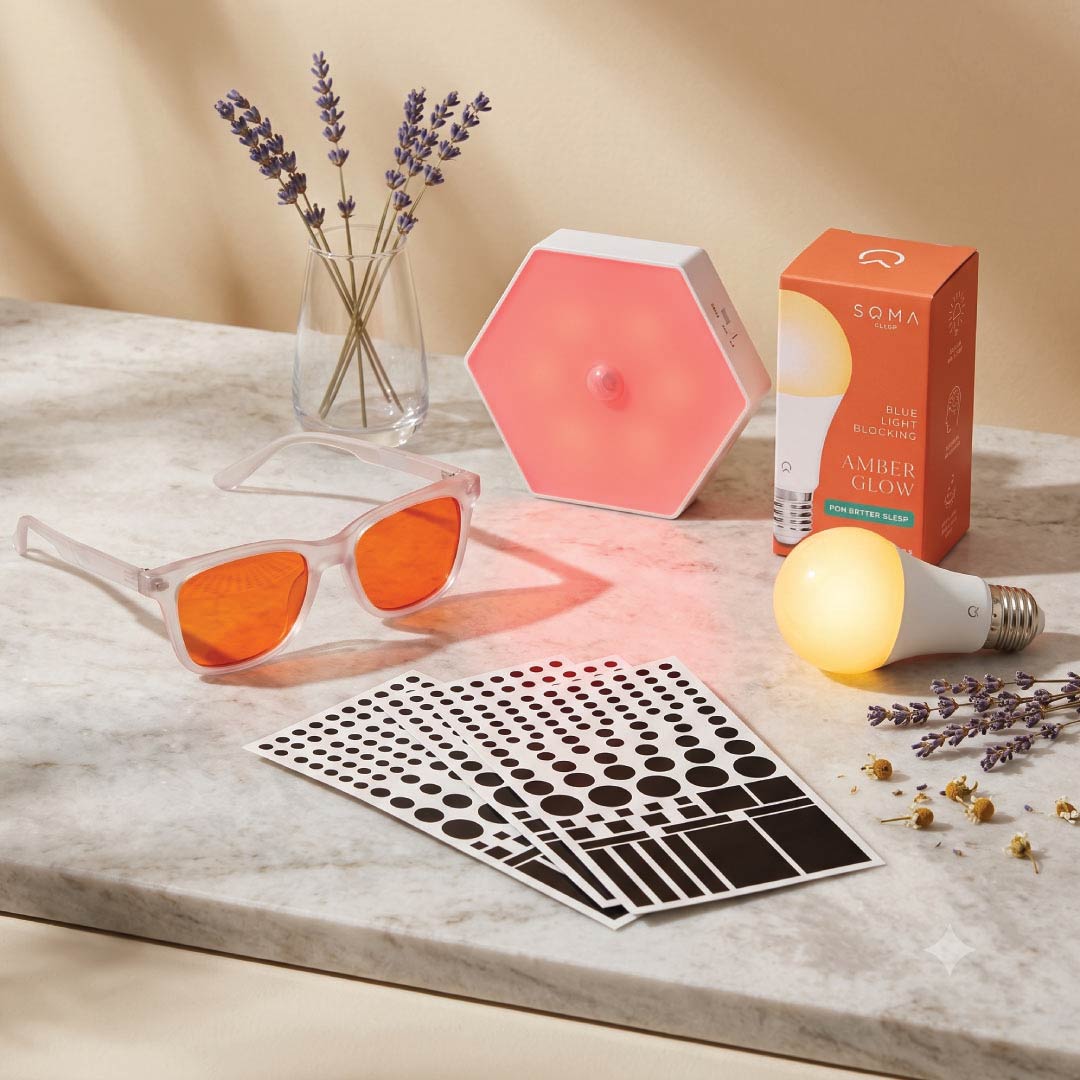
Amber bulbs fix the light in a room. They can't fix the screen in your hand. Phones, tablets and TVs emit blue light in the 400 to 500nm range, the exact signal your brain reads as "stay awake." Blue light glasses block that light from every source at once, including the screen you're looking at. That's the part bulbs can't reach.
What a real blue light blocker looks like
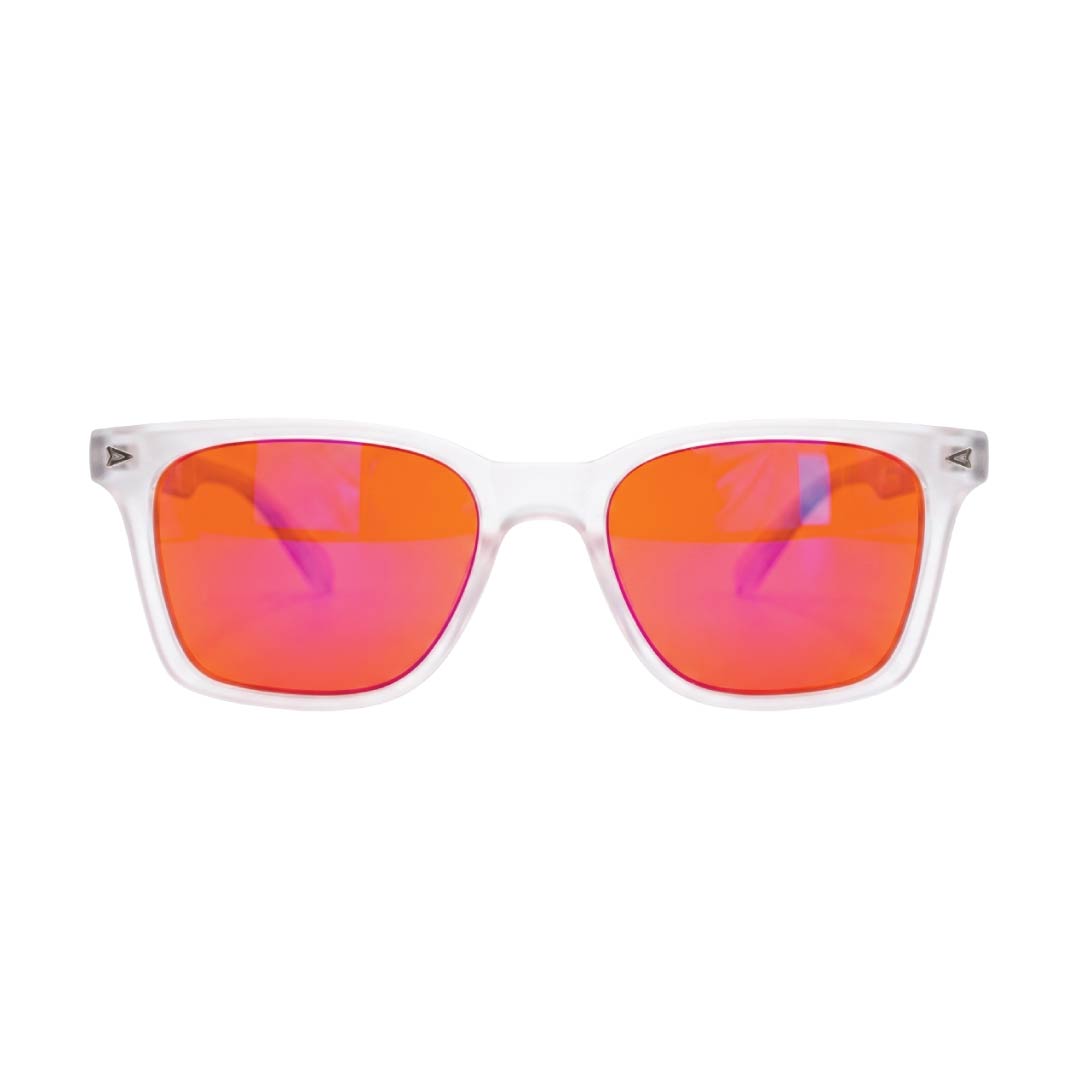
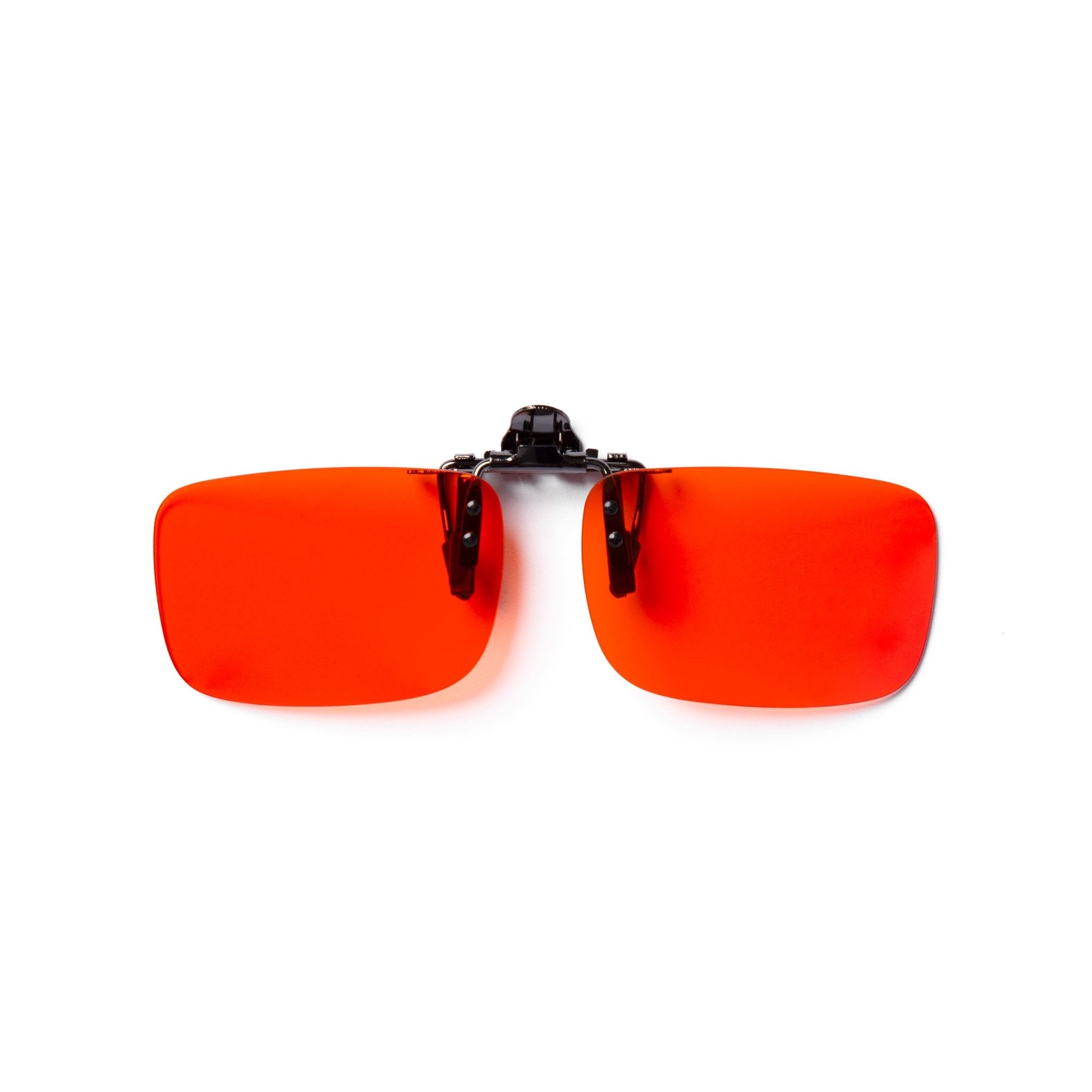
Most glasses marketed for daytime use, sometimes sold as computer glasses or blue light filter glasses, are nearly clear. They block maybe 10 to 30% of blue light. That's fine for eye strain at a desk. It does almost nothing for sleep. For evening use you want amber lenses that block close to 100% of light in the 400 to 500nm range. The tint isn't a style choice. It's the proof the blue light is actually gone.

When to wear them
Put them on in the two to three hours before bed, whenever a screen or a bright overhead light is on. If you only change one evening habit, this is the easiest one, because you don't have to touch a single bulb in the house.
Which pair is right for you
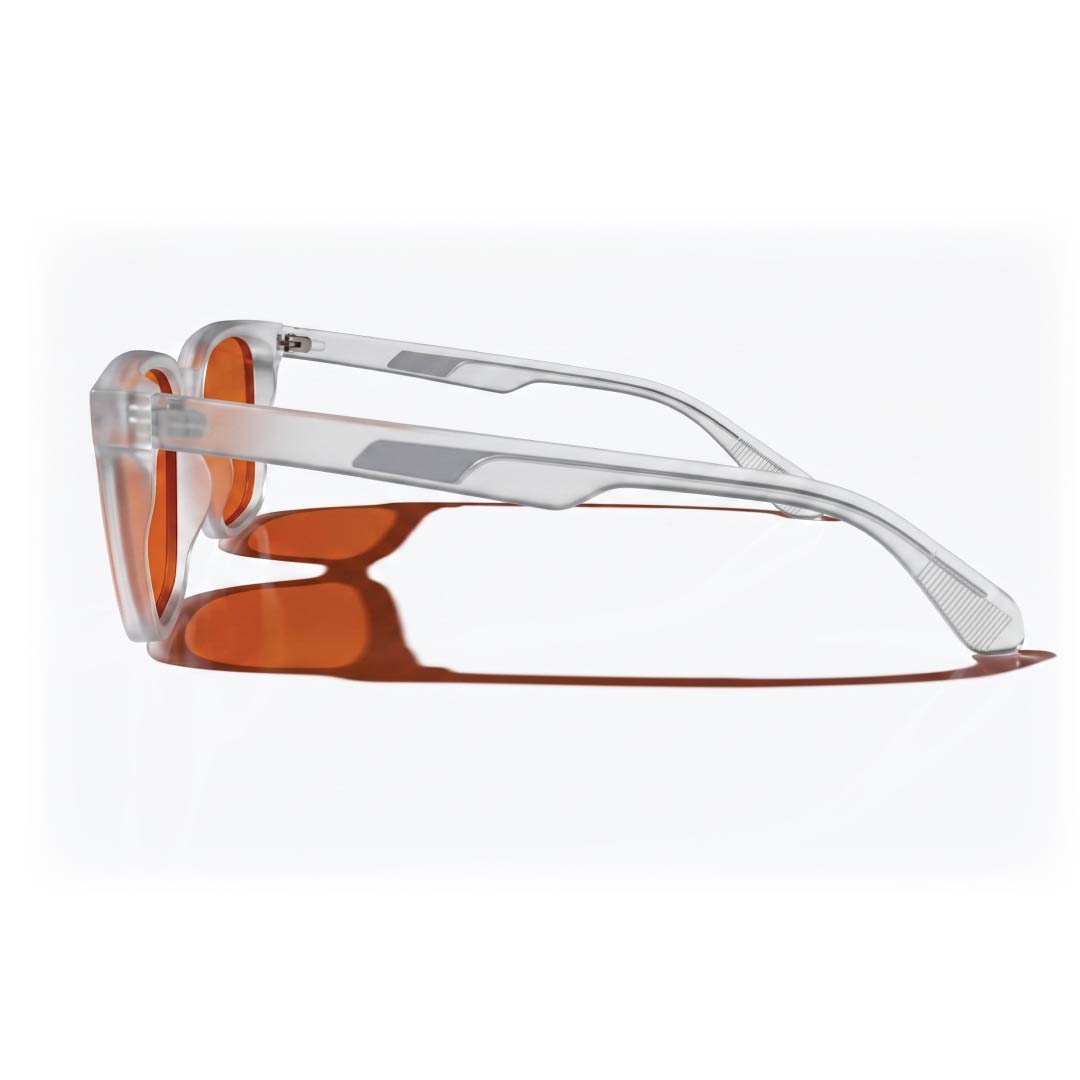
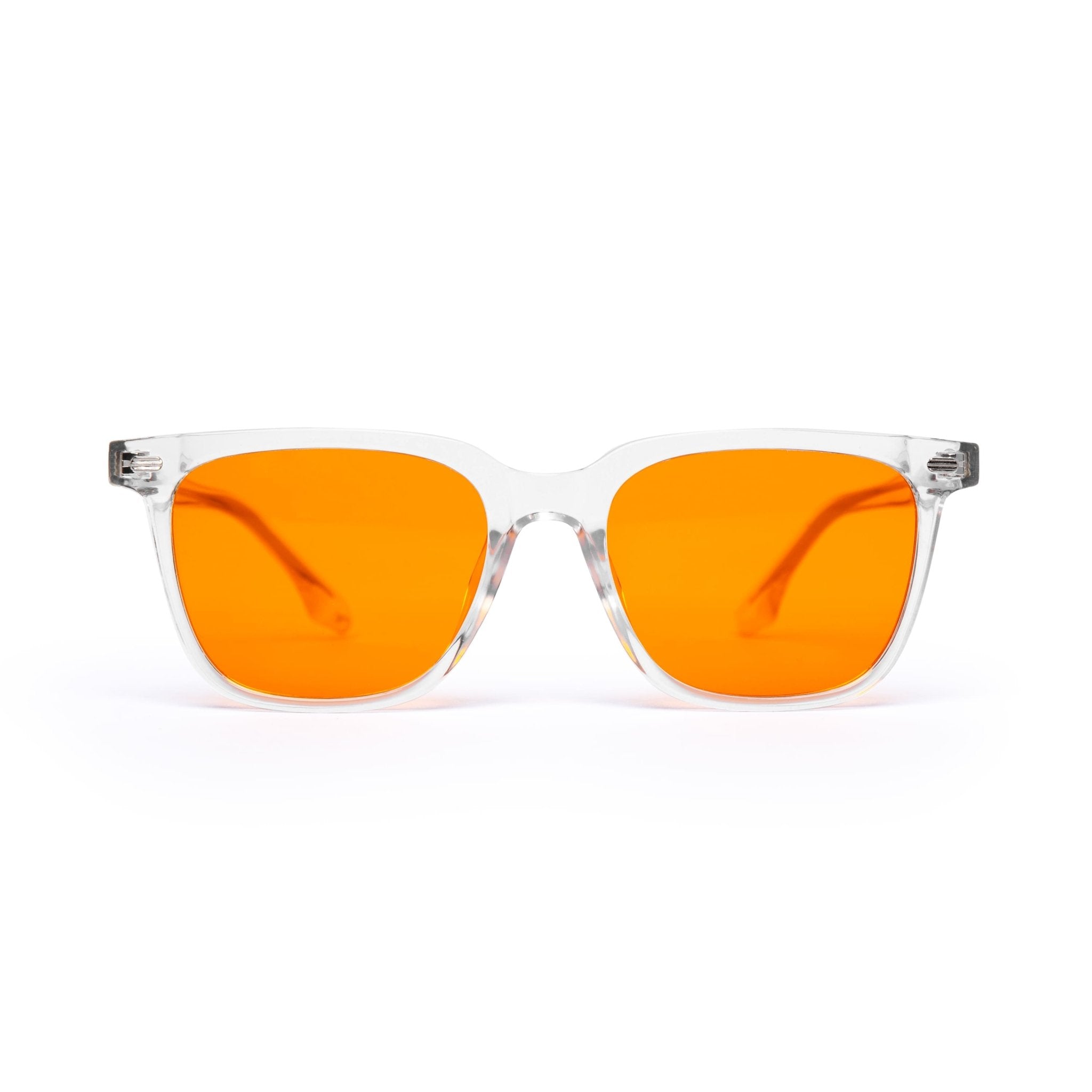
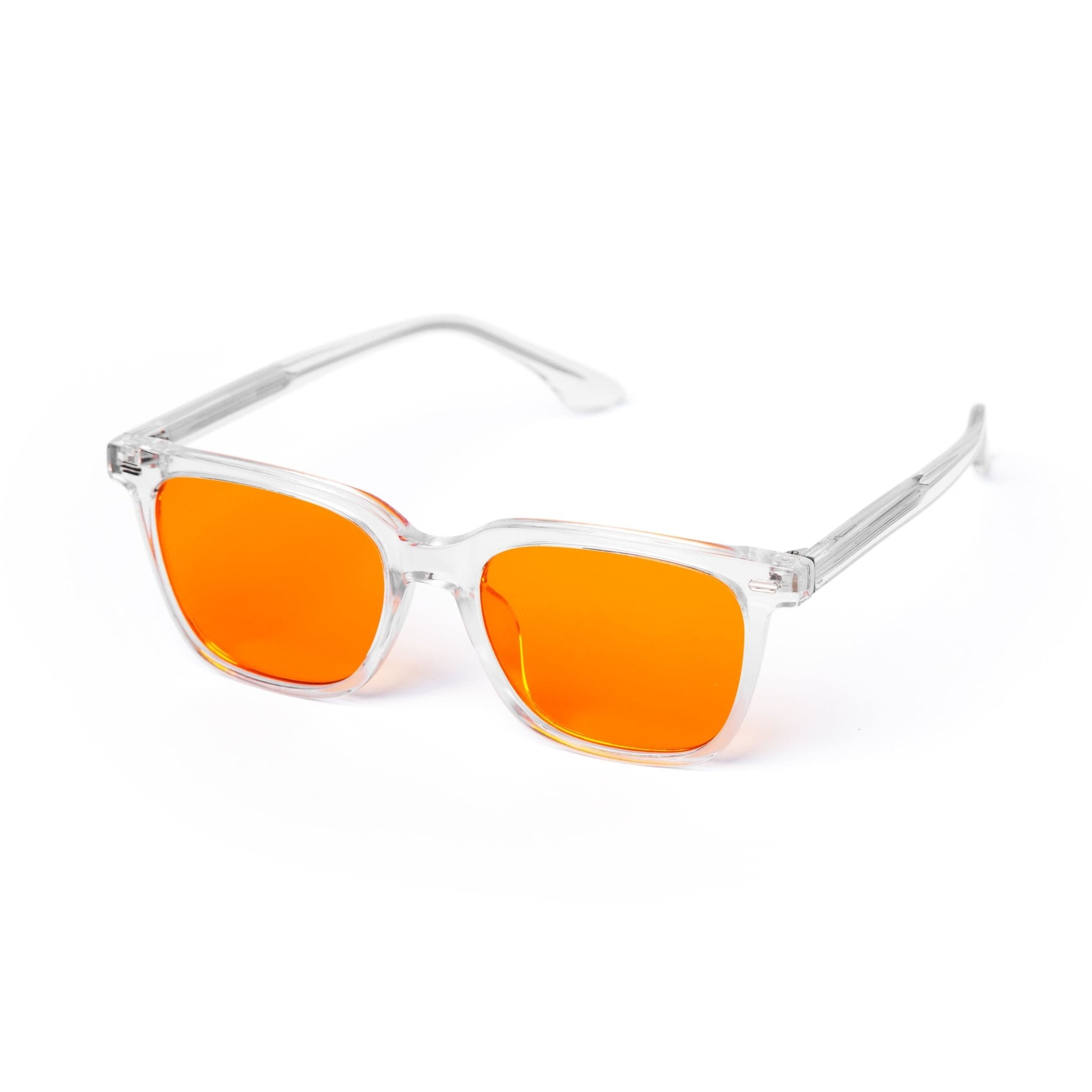
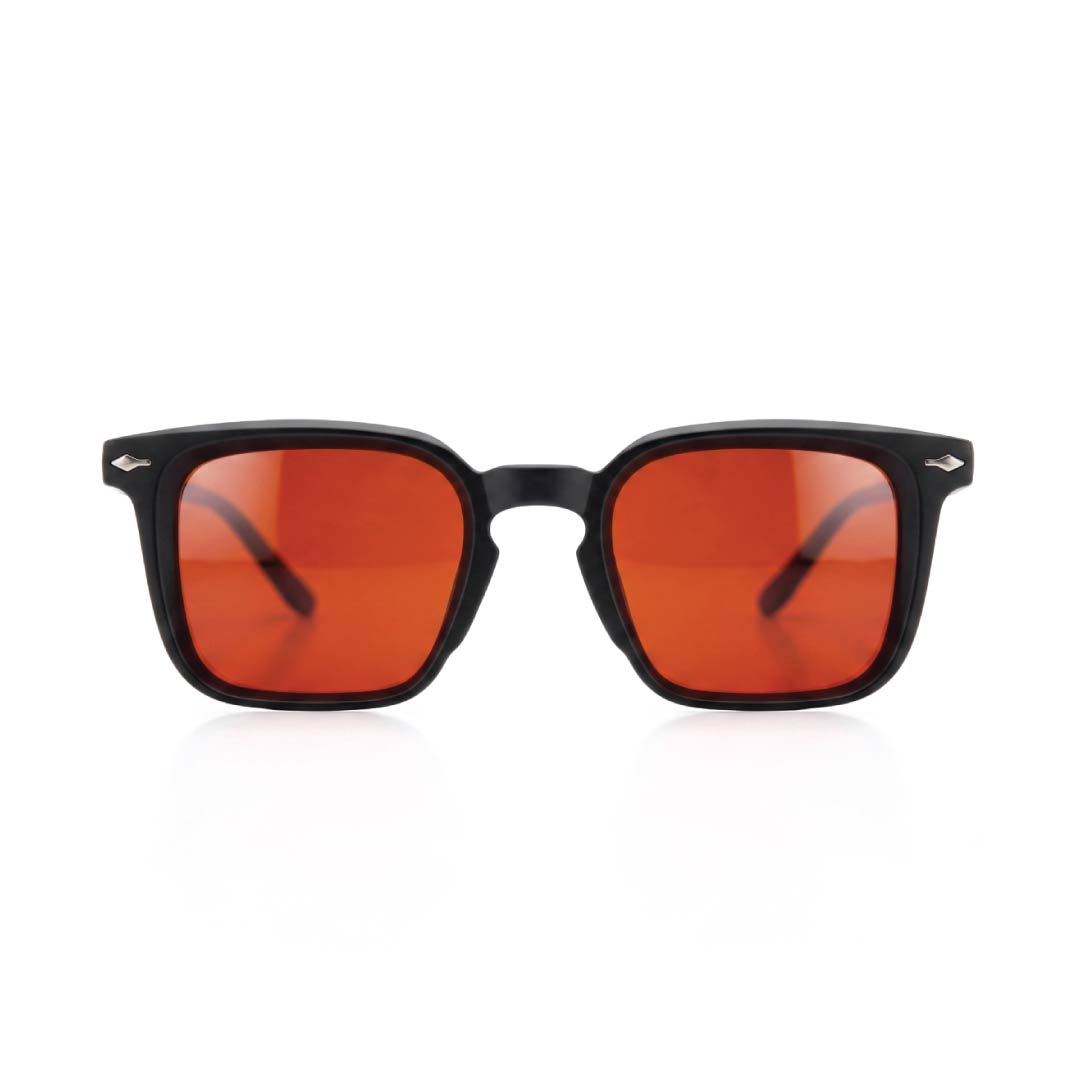
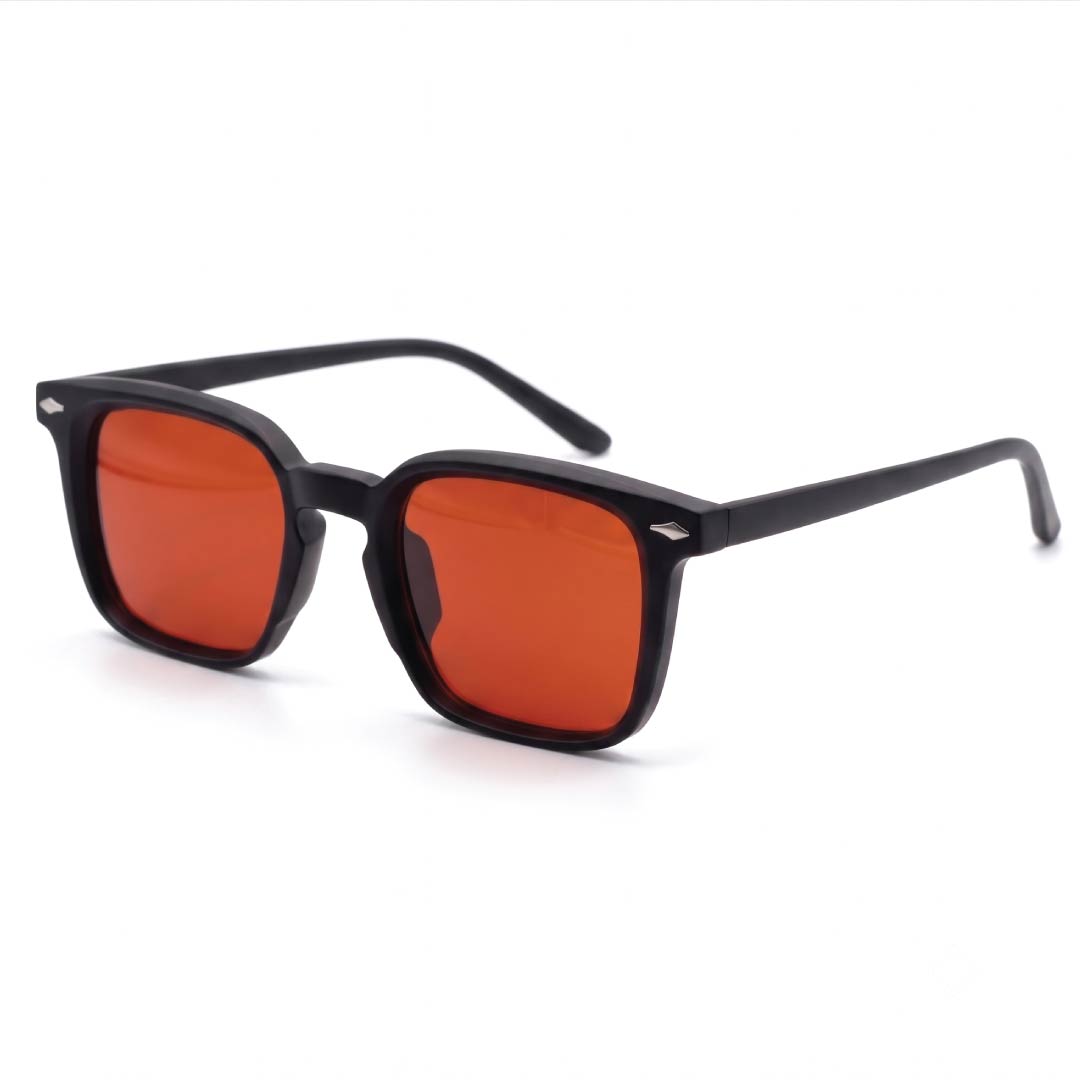
All three use the same amber lens and block 100% of blue light. The only difference is the frame, so pick the pair you'll actually wear. The Soma Edge is the everyday choice, a standard acetate frame with spring hinges. The Soma Dusk is classic black full-rim and reads as ordinary glasses. The Soma Frost is frosted clear with a detailed arm design. Start with the Edge if you're not sure. Fast delivery Australia-wide.
FAQ
Do blue light glasses actually work for sleep?
For evening use, the ones with a real amber tint do. They block the 400 to 500nm blue light your brain reads as "stay awake," from every screen and light in the room at once. That's the signal that delays melatonin. Clear lenses sold for daytime eye strain don't block enough to make that difference at night.
What's the difference between these and computer glasses?
Most computer glasses, or clear blue light blockers, are nearly see-through and stop maybe 10 to 30% of blue light. That's fine for screen glare at a desk. It does almost nothing for sleep. Soma's amber lenses block close to 100% of light in the 400 to 500nm range, which is what evening use actually calls for. The tint is the proof the blue is gone.
How much blue light do Soma glasses block?
The amber lenses block 100% of blue light in the 400 to 500nm range. Not filtered, not reduced. Blocked. That's the range the research points to for melatonin, so it's the range we build the lenses around.
Can I wear them over my prescription glasses?
Our clip-ons are designed to fit over most prescription frames, so you don't need a separate prescription pair to block blue light in the evening. Slip them on over what you already wear.
When should I put my blue light blockers on?
In the two to three hours before bed, whenever a screen or a bright overhead light is on. This is the easiest evening habit to keep, because you don't have to change a single bulb in the house. Put them on, keep scrolling if you must, and your eyes are still protected.
Do the amber lenses change how everything looks?
They warm the picture, yes. Whites look cream and screens look softer. That colour shift isn't a flaw, it's the blue light being removed in front of your eyes. Most people stop noticing within a few minutes and only feel the calmer, less wired result.
Should I get blue light glasses or amber bulbs?
Both do different jobs. Amber bulbs fix the light in a room. Glasses fix the screen in your hand and travel with you from the couch to bed. If your evenings revolve around a phone, tablet or TV, glasses reach the light bulbs can't. Most people end up using the two together.
How fast is delivery in Australia?
We ship Australia-wide with fast dispatch, so most orders arrive within a few days. Everything is sent from within Australia, so there's no long international wait.